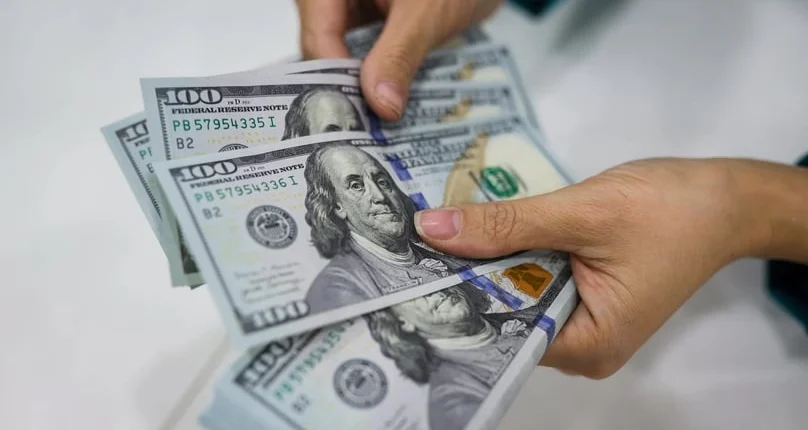
Vietnam's foreign exchange reserves near $87.6 bln, central bank proposes reforms
Vietnam's foreign exchange reserves stood at nearly $87.6 billion as of June 18, 2026, according to data released by the State Bank of Vietnam (SBV), as the central bank seeks public feedback on proposed amendments to regulations governing the country's foreign reserve management.
The draft decree, which would revise and supplement provisions of the governmental Decree 50/2014 on state foreign exchange reserve management, introduces a range of changes covering investment mechanisms, market intervention tools, gold reserve management and coordination of foreign currency transactions with the state budget.
The SBV said the existing framework had provided an important legal basis for reserve management over the past decade and helped align operations with international practices. However, the central bank noted that implementation challenges had emerged amid significant changes in both domestic and global economic conditions since the regulation was introduced in 2014.
Official data show Vietnam's foreign exchange reserves rose from $34.3 billion at the end of 2014 to a record high of more than $111.8 billion in January 2022. Nevertheless, reserves subsequently declined as global financial market volatility and exchange-rate pressures intensified, falling to $86.7 billion by the end of 2022 before recovering slightly to nearly $87.6 billion as of June 18 this year.
According to the SBV, the U.S. Federal Reserve's prolonged period of elevated interest rates since 2022, combined with geopolitical tensions, supply-chain disruptions, energy price volatility and unpredictable trade policies, has placed considerable pressure on foreign exchange markets.
Despite these challenges, the central bank said foreign exchange reserves have remained a critical buffer for stabilizing the exchange rate, containing inflation and supporting macroeconomic stability.
One of the most notable proposals in the draft decree concerns the profitability principle applied to reserve investments.
Under current regulations, reserve management activities must generate a positive difference between total investment income and costs. The SBV argues that this requirement is not appropriate for gold holdings, as central banks do not earn periodic interest income from gold in the same way they do from bonds or deposits. Instead, gains are primarily realized through revaluation or sales.
The central bank said gold is generally held to diversify reserve portfolios, hedge risks, support monetary stability, and strengthen a country's financial position rather than maximize returns. It therefore proposes excluding gold-related income and expenses when assessing the profitability of foreign reserve investments.
The draft also adds foreign exchange and gold options to the SBV's market intervention toolkit. The central bank said the move would broaden available policy instruments, enhance operational flexibility, and improve the effectiveness of monetary policy implementation during periods of market stress.
In another significant change, the SBV proposes eliminating the requirement to establish a market intervention mechanism for each specific period. Instead, the central bank governor would be authorized to determine intervention measures based on monetary policy objectives, developments in foreign exchange and gold markets, and domestic currency liquidity conditions. The measure is expected to enhance the authorities' ability to respond swiftly to developments in financial markets.
Regarding reserve accumulation, the draft would add Special Drawing Rights (SDRs) allocated by the International Monetary Fund (IMF) as a source of state foreign exchange reserves. It also clarifies the accounting and management framework for SDRs within Vietnam's reserve funds in line with local and international practices.
The proposal further revises regulations governing the relationship between the state budget and foreign exchange reserves. Under the draft, the Ministry of Finance would continue depositing all State Treasury foreign currency holdings with the SBV, except in certain special cases.
After the prime minister approves the amount of foreign currency to be retained for budgetary expenditures, the remaining balance would be sold to the central bank to supplement official reserves. The draft also introduces a mechanism for addressing foreign currency shortfalls in the state budget, aiming to strengthen coordination between the Ministry of Finance and the SBV in managing the country's foreign currency resources.
The SBV said the proposed amendments are intended to modernize the legal framework for foreign reserve management, enhance policy flexibility and strengthen authorities' ability to maintain monetary and foreign exchange market stability while safeguarding national financial security.
Source: Dinh Vu, Nguyen Quang
Photo: Photo by The Investor/Trong Hieu